


Social media often gets criticized, but it isn’t all negative. Many users form meaningful connections, nurture friendships, express their identity, and find supportive communities online without facing the mental health challenges others experience. Experts from Harvard University suggest that occasional breaks, digital detoxes, or setting healthy boundaries can be beneficial.
- They Maintain Strong Boundaries
- They Value Privacy
- Their Personal Lives in the Moment
- They Avoid Drama
- They’re Deep Thinkers
- They’re Not Performative
- They’re Authentic
- They’re Self-Disciplined
- They’re Emotionally Intelligent and Regulated
- They’re Secure in Their Personal Lives’ Identity
- They’re Comfortable Being Misunderstood
- Frequently Asked Questions
- Why do some people avoid posting personal details online?
- Does avoiding social media sharing mean someone is antisocial?
- Can staying private on social media improve mental health?
- Are private social media users less confident?
- How do private users maintain social connections?
- Does privacy online mean missing out on trends or communities?
- Can anyone learn to set boundaries like them?
- Conclusion
Limiting social sharing helps individuals develop emotional intelligence, self-discipline, and stronger connections with those around them. People who rarely post about their personal lives often share these uncommon personality traits. While they may still scroll or post occasionally, they are deliberate about protecting their privacy and maintaining control over what personal information they reveal, balancing online engagement with real-world relationships.
They Maintain Strong Boundaries
People who rarely share personal details online excel at setting clear social media boundaries. They may block unhelpful accounts, limit screen time, and protect private information, creating a healthier relationship with their devices and supporting their mental well-being. This rare trait reflects both self-awareness and emotional intelligence, allowing them to recognize the need for limits and confidently stick to them.
Read More: Bitcoin Stalls Despite US–China Truce: What’s Next for Its Price?
They Value Privacy
People who rarely share personal details online prioritize privacy, which can boost emotional well-being and foster a stable sense of self, according to research from the University of Phoenix. They aren’t avoiding deep connections; instead, they reserve vulnerable moments and personal information for trusted loved ones.
This intentional approach often strengthens relationships, as friends and family feel valued and appreciated, knowing they have access to something truly personal. Maintaining privacy online allows these individuals to balance social connections with self-respect, creating a healthier, more secure sense of identity.
Their Personal Lives in the Moment
Instead of chasing the perfect Instagram shot or scrolling endlessly, people who rarely share personal details online focus on experiencing life firsthand. While posting frequently doesn’t always prevent absence, the pressure to maintain an online image often distracts from real-world moments.
Social media can enhance life by connecting with loved ones and building communities, as a Pew Research Center study notes. However, without boundaries, it risks creating a digital-only existence that limits genuine in-person interactions. By staying present, these individuals enjoy richer experiences and deeper connections, embracing life beyond the screen.
They Avoid Drama
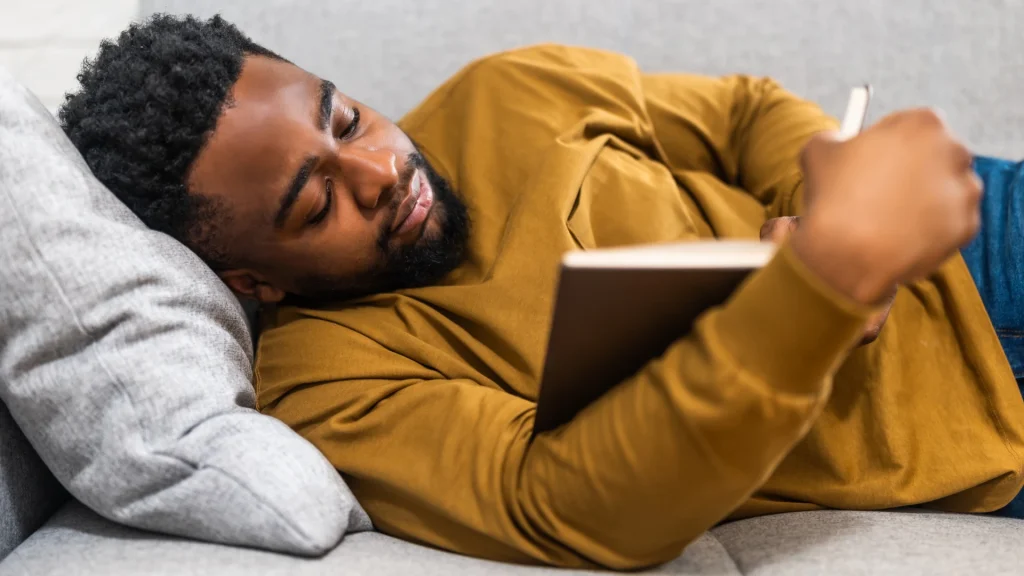
While pockets of positive content can lift our mood, social media algorithms often amplify negativity and sensational posts, leaving users emotionally drained without realizing it. People who rarely share personal details online and don’t seek validation from their feeds naturally steer clear of this drama. By setting boundaries and avoiding the pull of constant online attention, they protect their mental health and maintain a calmer, more balanced emotional state offline.
They’re Deep Thinkers

Constant social media use can negatively impact cognitive processes and critical thinking, according to research in Brain Sciences. People who rarely share personal details online protect their minds by setting boundaries that prevent mental overload.
Instead of getting lost in endless feeds, they focus on meaningful offline activities—whether spending time with friends, attending events, or pursuing hobbies—that enrich their lives socially and intellectually. This intentional approach allows them to think deeply, reflect, and engage with the world beyond the screen.
They’re Not Performative
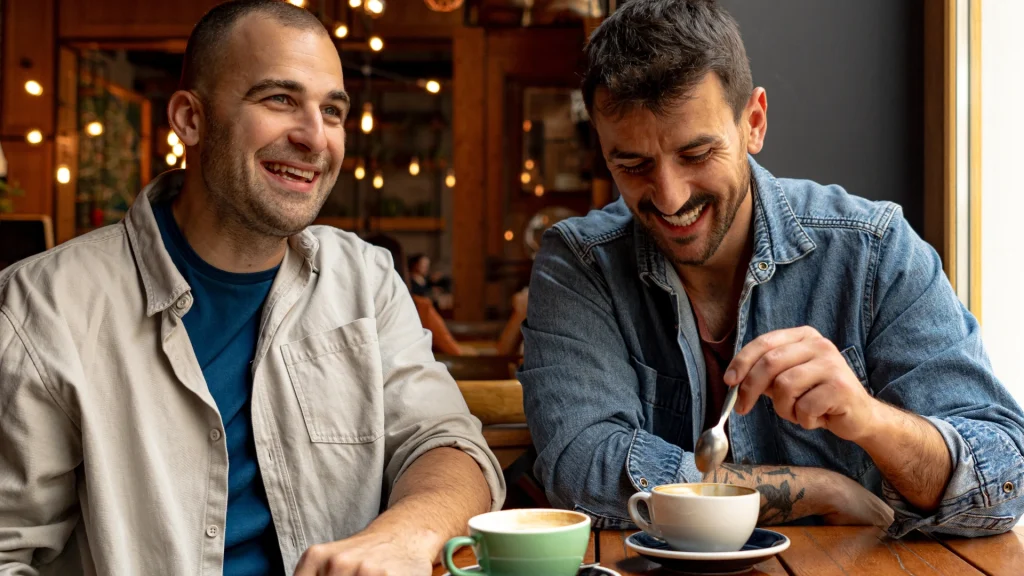
Many people post on social media seeking validation and attention they can’t provide themselves. In contrast, those who rarely share personal details online cultivate internal self-gratification, building confidence without relying on likes or comments. They tend to be deep thinkers, intuitive observers, and self-aware individuals who focus on understanding themselves and developing an authentic identity—free from the pressure of trends, approval, or online attention.
They’re Authentic

People who maintain privacy and firm boundaries online often cultivate genuine authenticity. They focus on crafting a lifestyle that reflects their values rather than following trends, influencer recommendations, or trying to fit in. Research from Computers in Human Behavior shows that individuals who perceive themselves as authentic online enjoy higher life satisfaction, better mental health, and a positive self-image. Achieving this balance requires self-discipline and intentional boundaries, allowing them to live true to themselves both on and offline.
They’re Self-Disciplined
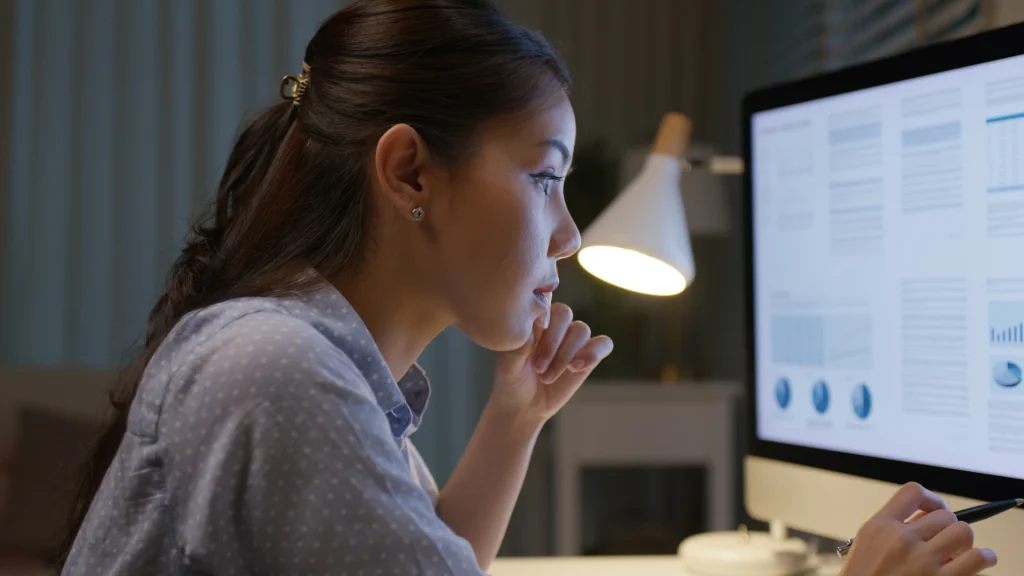
Research from PLOS One shows that poor self-control on social media can lower life satisfaction and mindfulness. Constant doomscrolling or chasing trends can distort one’s sense of self. In contrast, people who rarely share personal details online exercise strong self-discipline, maintaining boundaries despite pressure from friends, family, work, or online culture. They confidently prioritize their well-being and identity over fitting in, choosing intentional engagement over reactive scrolling.
They’re Emotionally Intelligent and Regulated
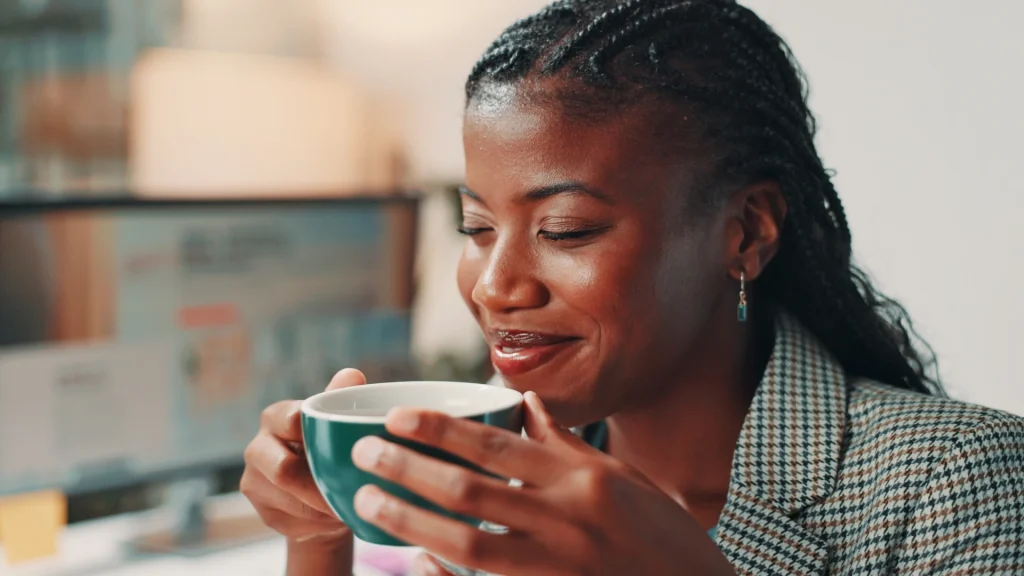
People who rarely share personal details online demonstrate high emotional intelligence. It takes self-awareness and self-regulation to resist social media pressures and avoid seeking external validation. They are intentional, empathetic, and grounded, maintaining firm boundaries that protect their mental well-being. Studies in Behavioral Sciences show that even a short social media detox can boost emotional stability, self-image, life satisfaction, and relationships, giving the mind space to rest and reconnect with one’s emotional self.
They’re Secure in Their Personal Lives’ Identity
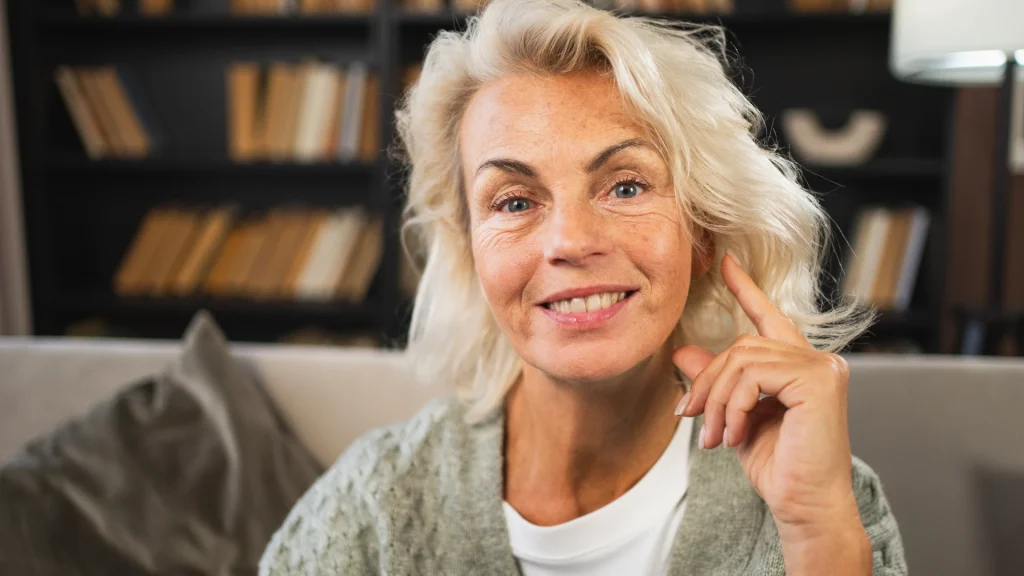
People who rarely share personal details online tend to be confident in who they are. They avoid the trap of comparison culture, focusing on living authentically and shaping their lives to align with their happiness and needs. Unlike those who constantly compare themselves to curated online feeds—often linking social media use with feelings of shame or depression—they maintain a strong sense of self, free from external validation. This security allows them to engage with life intentionally, prioritizing personal fulfillment over online appearances.
They’re Comfortable Being Misunderstood
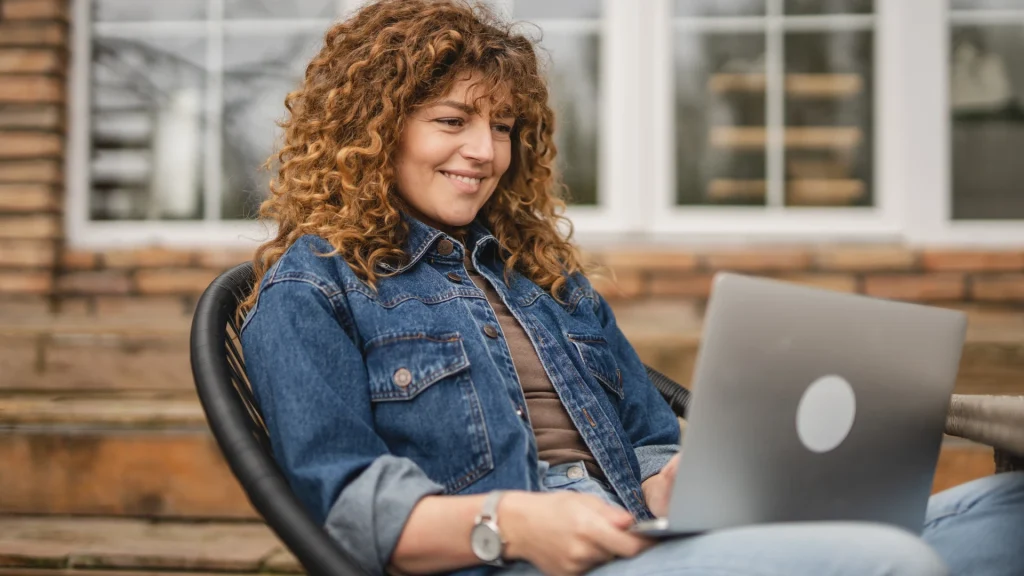
People who rarely share personal details online are often misunderstood, and they’re perfectly fine with it. Emotionally regulated and secure in themselves, they focus on nurturing real-life relationships that enrich their lives rather than seeking online validation.
While chronic misunderstandings in close relationships can impact mental health, misjudgments from strangers online carry little weight for them. This mindset allows them to stay grounded, confident, and connected to what truly matters—offline experiences and meaningful connections.
Frequently Asked Questions
Why do some people avoid posting personal details online?
Many value privacy, maintain emotional boundaries, and prioritize real-life connections over online validation. This helps them protect their mental health and preserve authentic relationships.
Does avoiding social media sharing mean someone is antisocial?
Not at all. People who keep personal matters private often have strong social skills and meaningful offline relationships—they choose discretion online.
Can staying private on social media improve mental health?
Yes. Setting boundaries and avoiding the pressure of online validation reduces stress, comparison, and exposure to negativity, boosting emotional well-being.
Are private social media users less confident?
On the contrary, they are often secure in their identity, self-disciplined, and emotionally intelligent, relying on internal validation rather than external approval.
How do private users maintain social connections?
They focus on face-to-face interactions, quality conversations, and meaningful experiences rather than seeking attention or approval online.
Does privacy online mean missing out on trends or communities?
Not necessarily. Private users can still engage online intentionally, participating in communities without oversharing personal details.
Can anyone learn to set boundaries like them?
Absolutely. By practicing self-discipline, engaging in digital detoxes, and engaging in intentional engagement, anyone can protect their privacy, emotional health, and personal growth. a
Conclusion
People who rarely share their personal lives on social media demonstrate valuable personality traits, including firm boundaries,d emotional intelligence, authenticity,y and self-discipline. By prioritizing privacy and intentional engagement, they protect their mental health, cultivate deeper relationships, and stay grounded in real-life experiences. While social media can offer connection and community, maintaining control over what we share allows for a healthier, more balanced approach to online life.