


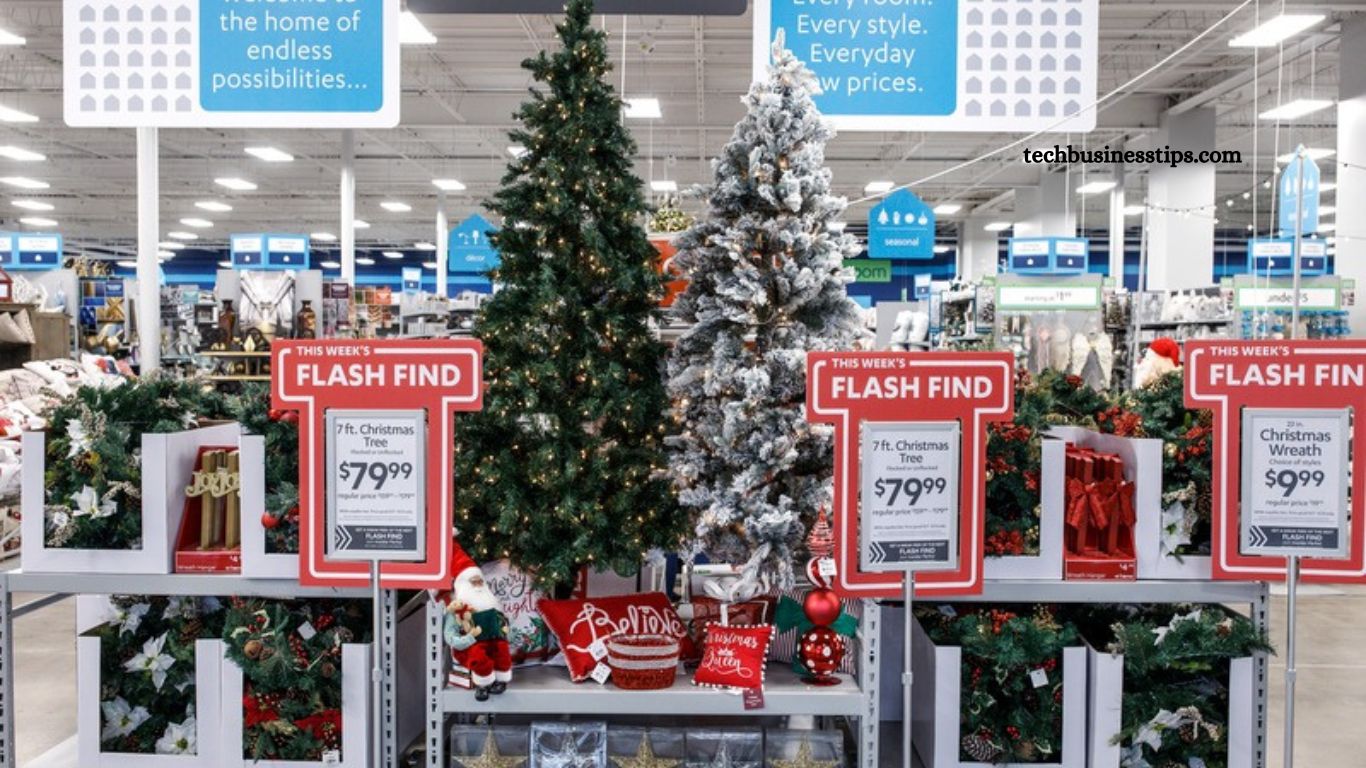
A leading home decor giant is navigating a critical financial challenge, yet recent developments indicate it may preserve over 200 of its stores, offering hope to employees and customers alike. The company, known for affordable furniture, decor, and seasonal items, filed for bankruptcy due to mounting operational costs, supply chain disruptions, and changing consumer spending habits. Rather than shuttering entirely, the retailer is pursuing a strategic restructuring plan aimed at closing underperforming locations while keeping the majority of its footprint intact.
- Understanding the Bankruptcy Situation
- Frquently Asked Questions
- Why did the home decor chain file for bankruptcy?
- How many stores will remain open after restructuring?
- Will employees lose their jobs due to the bankruptcy?
- How will the restructuring plan help the company?
- How does this impact customers?
- Could more stores close in the future?
- What does this mean for the retail industry?
- Conclusion
This approach not only safeguards jobs but also ensures continued access to popular home goods. The chain’s ability to emerge from bankruptcy underscores resilience and provides a potential blueprint for other retailers facing financial strain.
Understanding the Bankruptcy Situation
The retailer faced mounting financial pressures due to rising operational costs, supply chain disruptions, and shifts in consumer spending patterns. These challenges made it difficult to maintain profitability across its network of stores, ultimately leading the company to file for bankruptcy.
Rather than closing all locations, the chain chose a strategic approach: evaluating underperforming stores, renegotiating debts, and securing new financial backing. This careful planning aims to preserve the majority of its footprint while ensuring long-term viability.
Read More: Precision Plastics Australia Debuts Locally-Made Home Decor Line
The Restructuring Plan
The restructuring plan focuses on keeping approximately 229 of its stores open. Around 30 stores that consistently underperformed were closed to reduce overhead and streamline operations. By concentrating resources on profitable locations, the retailer hopes to return to sustainable growth while maintaining its market presence.
The plan also includes operational improvements, such as better inventory management, revised pricing strategies, and enhanced customer experiences. These initiatives are designed to improve efficiency and competitiveness in a retail landscape that is increasingly dominated by online shopping and budget-conscious consumers.
Impact on Customers and Employees
For customers, the news means continued access to affordable home furnishings, decor, and seasonal items. Many rely on the retailer for budget-friendly solutions, and preserving over 200 stores ensures widespread accessibility.
Employees at the saved stores also benefit, as the company avoids mass layoffs. Maintaining a significant portion of its workforce supports local economies and preserves jobs in communities where store closures could have had a major impact.
Broader Retail Implications
This situation reflects broader challenges in the retail sector. Many large retailers are struggling with high operating costs, inflation, and changes in consumer behavior. The ability of this home decor chain to survive bankruptcy and keep most of its stores operational demonstrates that careful financial planning and strategic restructuring can offer a path to recovery.
Retailers facing similar pressures may look to this example as proof that bankruptcy does not always mean liquidation. With smart management, targeted store closures, and operational improvements, it is possible to stabilize a business and maintain market relevance.
Frquently Asked Questions
Why did the home decor chain file for bankruptcy?
The company faced rising operational costs, supply chain disruptions, and declining consumer spending, which affected overall profitability.
How many stores will remain open after restructuring?
Approximately 229 stores are expected to remain open, while around 30 underperforming locations will be closed.
Will employees lose their jobs due to the bankruptcy?
Most employees at the remaining stores will keep their jobs, although staff at closed stores may be affected.
How will the restructuring plan help the company?
It reduces debt, improves operational efficiency, and focuses resources on profitable stores to ensure long-term sustainability.
How does this impact customers?
Customers will continue to access affordable home decor, furniture, and seasonal items at the majority of locations.
Could more stores close in the future?
Future closures are possible if certain locations underperform or fail to meet profitability targets.
What does this mean for the retail industry?
The chain’s survival shows that strategic restructuring can allow retailers to recover without full liquidation.
Conclusion
The home decor chain’s ability to navigate bankruptcy and preserve over 200 stores highlights resilience in a challenging retail landscape. By strategically closing underperforming locations, improving operations, and focusing on profitable stores, the company ensures continued access to affordable home furnishings for customers while protecting jobs. This turnaround not only strengthens the chain’s future prospects but also provides a model for other retailers facing financial pressures, demonstrating that bankruptcy can be a path to recovery rather than complete closure.