


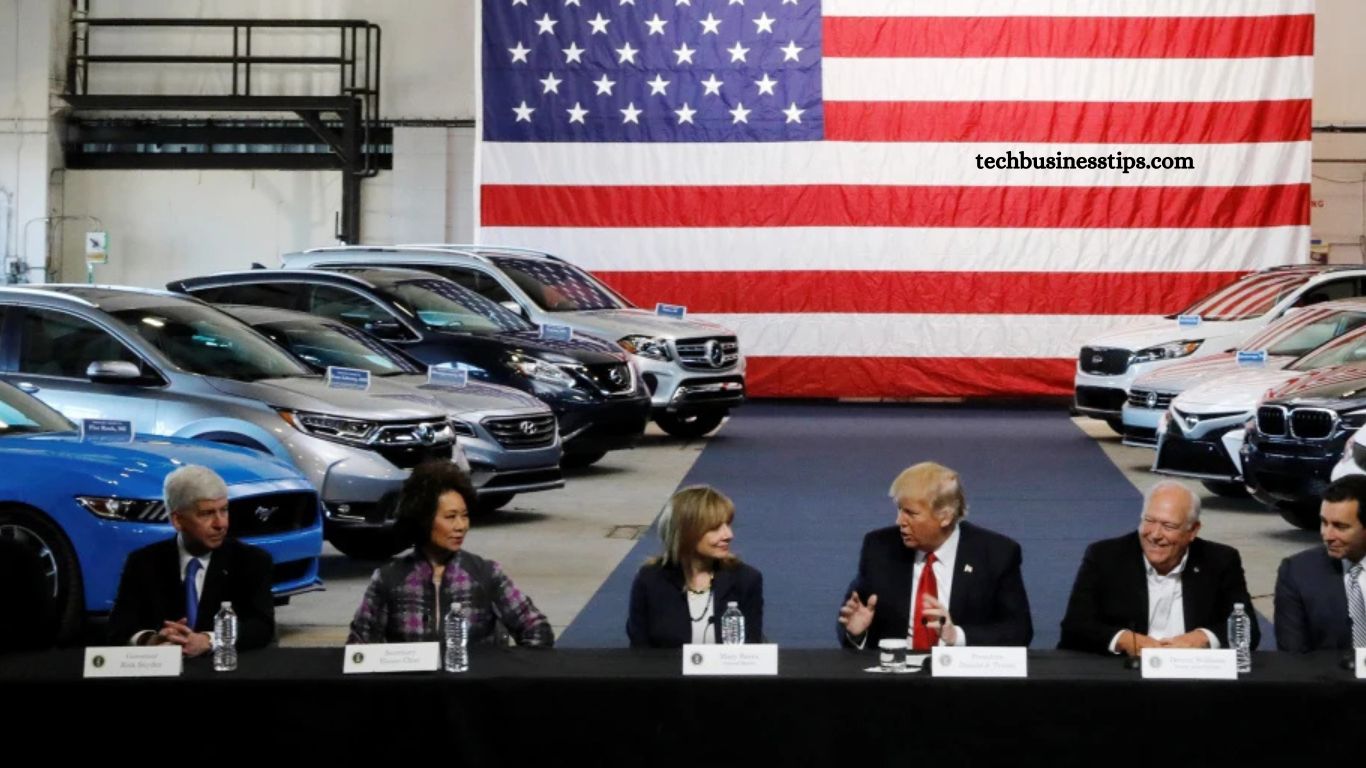
Automakers braced for major damage when President Donald Trump rolled out his tariff plan earlier this year, yet the industry has fared far better than expected. Despite new US tariffs on imported vehicles and parts, the financial hit has steadily eased as many of those tariffs have been rolled back.Automakers domestic and foreign still rely heavily on imported components, but their early cost projections have dropped. Even more significant, penalties for missing fuel-efficiency targets have nearly disappeared, delivering regulatory savings that could offset remaining tariff expenses.
- Tariff Costs Prove Milder Than Expected
- Frequently Ased Questions
- How have Trump’s tariffs impacted automakers overall?
- Why did automakers initially worry about the 25% tariff proposal?
- Which automakers reduced their tariff cost estimates?
- How have regulatory changes affected automaker profits?
- Why did ending emissions penalties help so much?
- Are EV production plans being scaled back?
- Have consumers seen higher prices because of tariffs?
- Conclusion
The result: industry profits may ultimately surpass pre-Trump levels, a surprising twist given that the administration also scaled back federal support for electric vehicles, undermining earlier investments.“Definitely favorable,” said independent auto analyst Jeff Schuster, noting that while many factors are in play, the industry is “better off than anyone expected.”
Tariff Costs Prove Milder Than Expected
Automakers braced for chaos when Trump proposed a 25% tariff on all imported vehicles, including those from Mexico and Canada. Ford CEO Jim Farley warned the move “would blow a hole in the US industry,” since every manufacturer relies on foreign parts. But the fallout has been far softer, as the administration quickly scaled back the harshest duties.
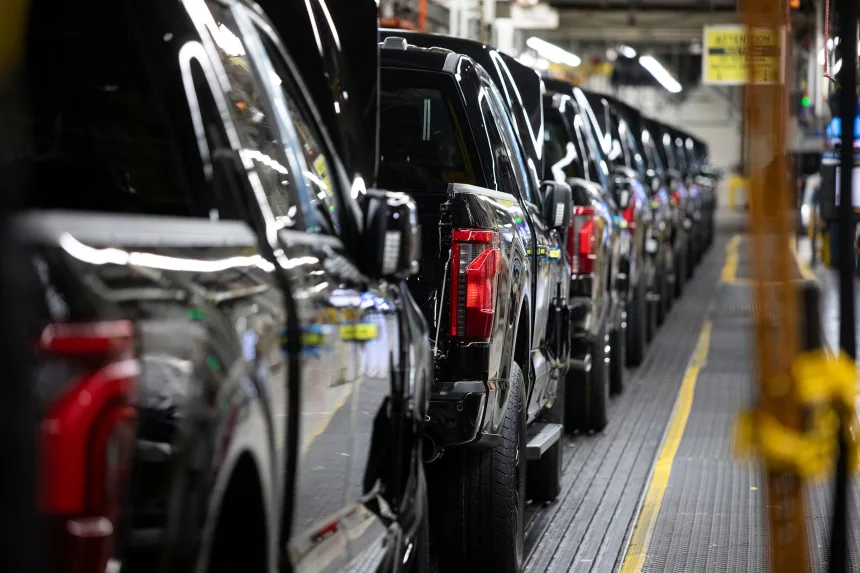
General Motors and Ford, which initially projected multibillion-dollar hits, have since lowered those estimates. GM cut its $5 billion outlook by $500 million, while Ford halved its 2025 estimate to $1 billion. Volkswagen reported a €1 billion third-quarter loss tied partly to tariffs, though internal issues with European EVs and Porsche restructuring also contributed.
Even with higher costs, automakers have outperformed expectations. GM’s adjusted earnings were projected to fall 23% but slipped only 5%. Volkswagen’s loss came in far below forecasts. Asian and European brands have also held steady by building many US-market vehicles in America. Hyundai CEO José Muñoz even called the US the company’s most profitable region despite tariffs.
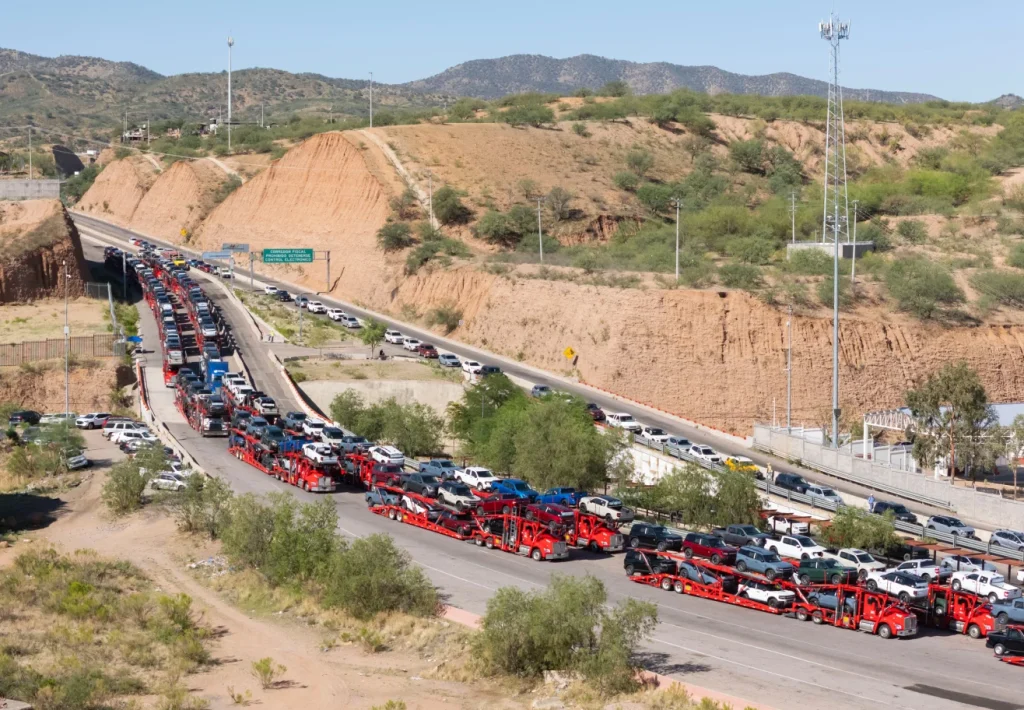
Analysts expect further relief if new trade deals with Canada, Mexico, or South Korea materialize. Reduced duties would benefit not only global brands like Hyundai and Kia but also GM, which imports lower-priced models from South Korea.
Consumers have felt only subtle effects. Automakers avoided direct price hikes but quietly trimmed features or dropped lower-margin models to offset costs. As a result, the average new-car price now sits near $50,000, about 4% higher than last year.
Read More: Trump’s Influence Spurs Optimism for Cannabis Market Amid Federal Reform Bets
Regulatory Shifts Deliver Major Savings
Automakers are gaining a quieter but far more valuable boost than tariff relief: the elimination of financial penalties for missing emissions targets. Previously, companies avoided fines by buying regulatory credits from cleaner manufacturers such as Tesla.
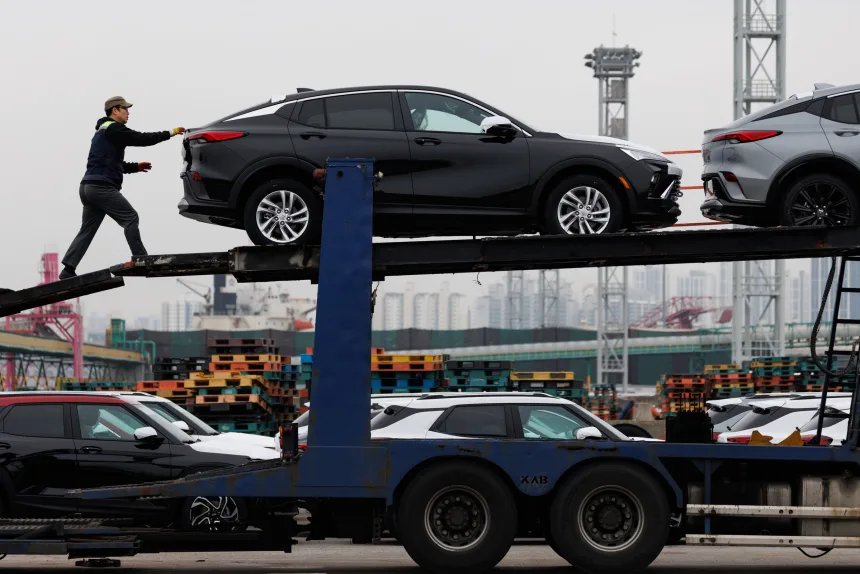
That changed with July’s tax and spending bill, which wiped out those penalties and saved the industry billions. Ford CFO Sherry House said the company will no longer buy the $2.5 billion in credits it had planned. Analyst Dan Ives estimates the change will cut vehicle-production costs by 3% to 5%, allowing automakers to sell more high-margin trucks and SUVs once limited by emissions caps.
Ford has already announced a production increase of more than 50,000 F-150 and Super Duty trucks for 2026. GM also plans to shift a Michigan plant from money-losing EVs to profitable gas-powered models.
Schuster said the rollback dramatically improves the industry outlook, making the near-term forecast far brighter than it appeared earlier this year.
Frequently Ased Questions
How have Trump’s tariffs impacted automakers overall?
The initial impact was less severe than feared. Many tariffs were scaled back, and automakers lowered their projected cost hits significantly.
Why did automakers initially worry about the 25% tariff proposal?
Companies rely heavily on imported parts from Mexico, Canada, and other countries. A full 25% tariff threatened to raise costs across nearly every vehicle built in the U.S.
Which automakers reduced their tariff cost estimates?
General Motors and Ford both scaled down their multibillion-dollar projections as the administration eased duties.
How have regulatory changes affected automaker profits?
Eliminating emissions-related financial penalties saved automakers billions, cutting vehicle-production costs by an estimated 3%–5%.
Why did ending emissions penalties help so much?
Automakers no longer need to buy expensive regulatory credits from EV makers like Tesla, and they can sell more high-margin trucks and SUVs.
Are EV production plans being scaled back?
Some companies, such as GM, are shifting production from unprofitable EVs to more profitable gas-powered models due to regulatory savings.
Have consumers seen higher prices because of tariffs?
Not directly. Automakers avoided obvious price hikes but made quiet adjustments such as trimming standard features which helped keep the average new-car price near $50,000.
Conclusion
The auto industry entered the tariff era expecting heavy financial damage, yet the outcome has been surprisingly positive. Scaled-back duties, stronger-than-expected earnings, and major regulatory savings have reshaped the outlook for automakers. With emissions penalties eliminated and trade negotiations still in play, companies are positioned to lean into their most profitable models and recover faster than anticipated. For now, the road ahead looks far smoother than anyone predicted when the tariff battle first began.