


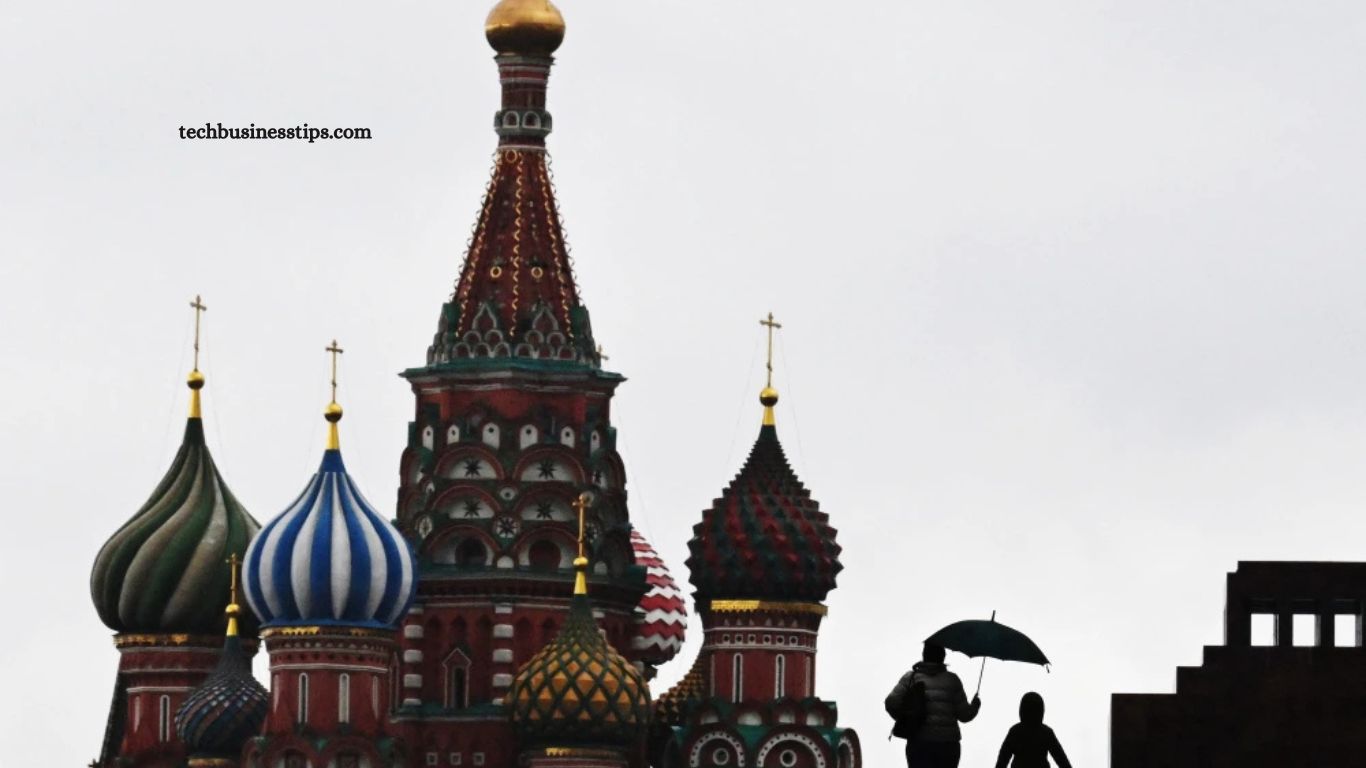
American families are increasingly moving to Russia in search of a society that reflects their conservative Christian values. Concerned about “woke” culture, LGBTQ acceptance in schools, and the perceived decline of traditional family life in the United States, they aim to provide a safer and ideologically aligned environment for their children. Derek and DeAnna Huffman from Texas are among the most notable examples, relocating to English-speaking communities near Moscow while documenting their experiences online.
- The Move to Russia
- Russia Welcomes Ideological Immigrants
- Challenges of Settling In
- Another American Family: The Hares
- Hardships and Adaptation
- The Broader Picture
- Frequently Asked Questions
- Why did American families like the Huffmans move to Russia?
- What kind of support did these families receive upon arriving in Russia?
- Did Derek Huffman join the Russian military? Why?
- Have there been any risks or challenges for these families?
- How many Americans have moved to Russia for ideological reasons?
- What are Russia’s laws regarding LGBTQ issues?
- Are these families planning to return to the U.S.?
- Conclusion
The Russian government has welcomed these “ideological immigrants” with temporary residency programs. However, life abroad brings unexpected challenges, including language barriers, cultural adaptation, financial setbacks, and even military service, testing the families’ resolve as they attempt to build a new life far from home.
The Move to Russia
In March, the Huffmans became the first family to relocate to a newly planned English-speaking community about 30 miles west of Moscow. The project, founded by Tim Kirby, a long-term American expat and former Kremlin-affiliated RT host, had been promoted online for years. The Huffmans are part of a growing group of Americans moving to Russia because they perceive the U.S. as “too woke.”
Read More: Northeastern Invests Record $511M in Financial Aid, Welcomes a Highly Talented Multicampus Class
Russia Welcomes Ideological Immigrants
The Russian government has actively encouraged these culture war refugees. In 2024, President Vladimir Putin issued an executive order granting temporary residency to foreigners rejecting “destructive neoliberal ideological attitudes” in their home countries. According to Russia’s Main Directorate for Migration Affairs, roughly 1,500 “ideological immigrants,” including 127 Americans, have applied for temporary residence.
“President Putin is an amazing leader and he’s done great things for Russia,” Derek Huffman, 45, said in a March video on the family’s YouTube channel. He also claimed that the social media platform X provides the “only place” for truthful information about America’s problems.
Challenges of Settling In
The Huffmans initially found support from Russians and Western expats online. Donations from their 15,000 YouTube subscribers helped them settle. But scrutiny increased when Derek Huffman volunteered for the Russian army in May. He explained that military service would expedite citizenship applications and demonstrate loyalty to Russia.
“Above and beyond the citizenship, the money, a big part of it for me is about the respect and earning our place here in Russia,” he said.
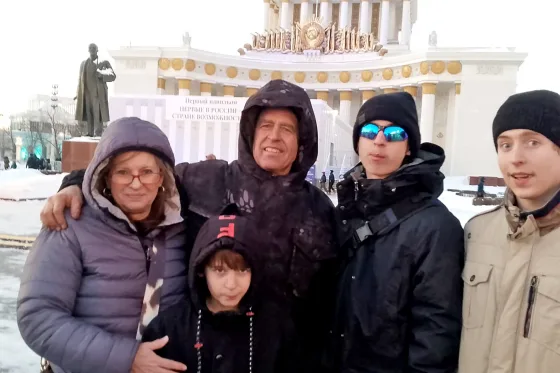
However, DeAnna Huffman later revealed that Derek had been “thrown to the wolves.” He expected to use his welding experience in a repair battalion but was deployed to the front line, struggling with Russian-language instructions. Pro-Ukrainian commentators spread unverified claims of his death, including a viral post on X with over 2 million views. NBC News could not confirm the video, and DeAnna denied the reports.
Derek reappeared in October, celebrating his daughter’s birthday and receiving his Russian passport. “I’m happy that I’m still alive and doing what I can to survive, and be of service to Russia,” he said.
Another American Family: The Hares
The Huffmans are not alone. Another American family, the Hares, moved from Abilene, Texas, to Russia for similar reasons. Leo and Chantelle Hare wanted to protect their three sons from what they consider harmful elements of American culture, including the promotion of LGBTQ rights.
“It was the promise of a country that would not promote the LGBT agenda,” said Leo Hare, 62, from Ivanovo, Russia. Russia’s laws prohibit the “promotion of nontraditional sexual relationships,” effectively banning public LGBTQ visibility.
Chantelle Hare added that they relied on far-right commentators for news and felt disillusioned after the 2020 U.S. election. “When we left, it was final. We do not plan to come back,” she said.
Hardships and Adaptation
The Hares faced immediate challenges. Their plan to rent an apartment in Moscow fell through, forcing them to spend a harsh winter on a farm, caring for animals in exchange for board. Their $50,000 investment in a supposed car import business failed, and Russian law enforcement reportedly offered no assistance.
Adapting to life in Russia has been difficult for the Hares’ children. Their two older sons want to return to the U.S., frustrated by language requirements for public schooling. Leo and Chantelle now work as English tutors and homeschool their children. Despite hardships, they say life in Ivanovo is now “comfortable.”
Unlike the Hares, Derek Huffman pursued military service, which the Hares consider risky. “He assumed a little too much about life in the Russian military,” Leo Hare said. “We assumed a lot, too. But we do have faith in Christ, and He is leading us, even though we’ve made mistakes.”
The Broader Picture
These families highlight the complex reality of Americans moving to Russia for ideological reasons. While they sought a society aligned with conservative Christian values, the transition involves legal, financial, and cultural challenges. Military service, language barriers, and unfamiliar social norms present obstacles, particularly for children.
Experts note such moves are rare and often driven by extreme ideological motivations. Russian officials frame them as a form of soft power, welcoming foreigners who reject Western liberalism. Critics warn that the reality of life in Russia—including bureaucratic hurdles and military risks—can be harsher than online narratives suggest.
Frequently Asked Questions
Why did American families like the Huffmans move to Russia?
They moved to escape what they see as “woke” American culture, seeking a society aligned with conservative Christian values.
What kind of support did these families receive upon arriving in Russia?
They received online donations from followers, community guidance from expats, and temporary housing in some cases.
Did Derek Huffman join the Russian military? Why?
Yes, Derek joined to expedite citizenship applications, show loyalty, and earn respect in his new community.
Have there been any risks or challenges for these families?
Yes, challenges include language barriers, cultural adaptation, financial scams, military risks, and difficulties for children in schools.
How many Americans have moved to Russia for ideological reasons?
According to Russian authorities, about 127 Americans have applied for temporary residency under programs for ideological immigrants.
What are Russia’s laws regarding LGBTQ issues?
Russia bans the “promotion of nontraditional sexual relationships,” restricting public LGBTQ visibility and symbols like rainbow flags.
Are these families planning to return to the U.S.?
Most, like the Huffmans and Hares, say they do not plan to return due to ideological differences and personal safety concerns.
Conclusion
The stories of the Huffmans and the Hares illustrate the complex realities of relocating for ideological reasons. While they sought a society that reflects their conservative Christian values, the journey has involved unexpected challenges, including language barriers, cultural adaptation, financial setbacks, and even military risks. Their experiences highlight the tension between the pursuit of personal beliefs and the practical difficulties of life in a foreign country.