


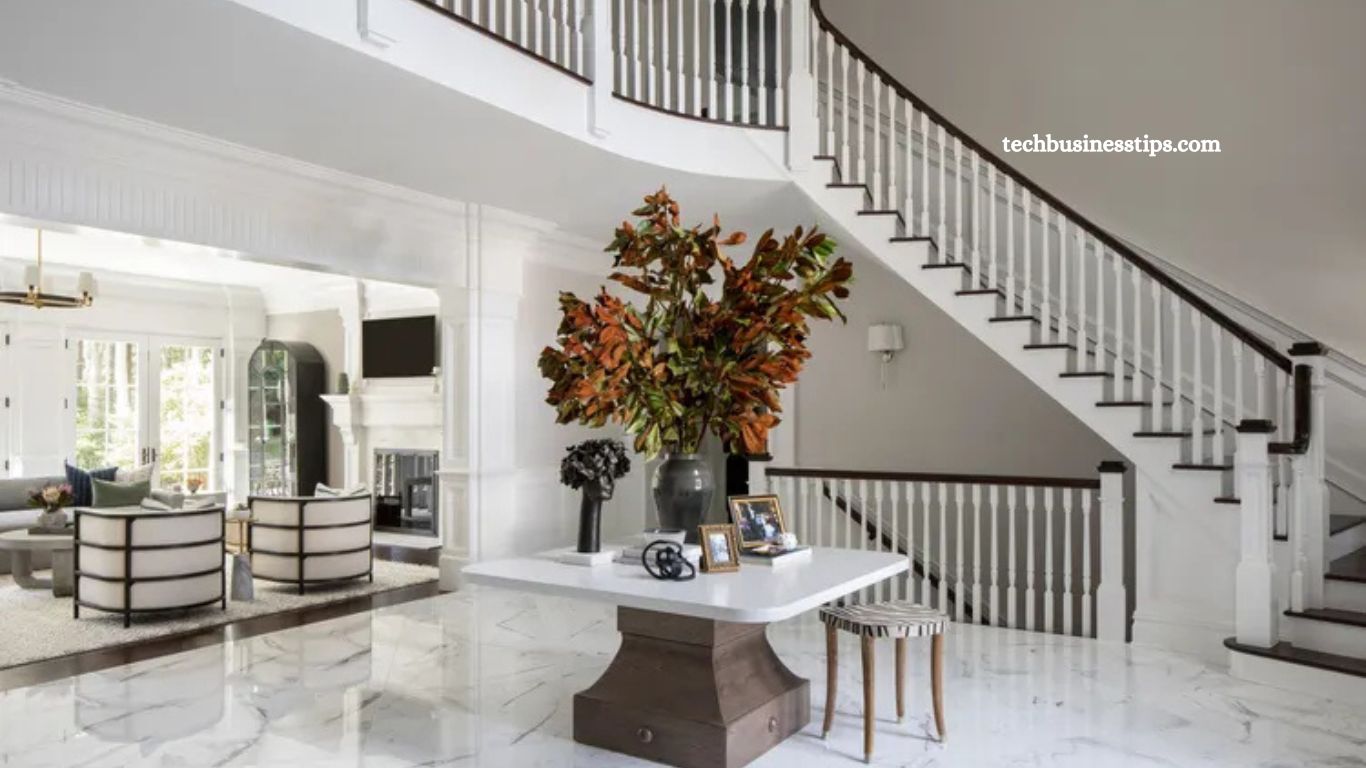
As a homeowner, I’ve developed a deep appreciation for intentional home design, especially entryways that immediately set the tone for the rest of the house. A thoughtfully designed entryway not only welcomes guests but also reflects your personality and style. After speaking with several designers, I learned that truly inviting homes share a few key features that make them feel warm and approachable. From clever furniture placement to thoughtful lighting and personal touches, the details matter more than you might think.
- Balancing Beauty and Function
- A Streamlined Design
- Bring Warmth with Greenery
- Embrace Soft Textures
- Layered, Decorative Lighting
- Add Personal Touches
- Frequently Asked Questions
- What makes an entryway feel welcoming?
- How can I make a small entryway look inviting?
- What are the best furniture pieces for an entryway?
- How do I incorporate personal touches without clutter?
- What lighting works best in an entryway?
- Can faux plants look good in an entryway?
- How do I add texture to an entryway?
- Conclusion
Here are six practical ways to transform your entryway into a space that feels cozy, stylish, and reflective of who you are—making a lasting first impression the moment someone walks through your door.
Balancing Beauty and Function
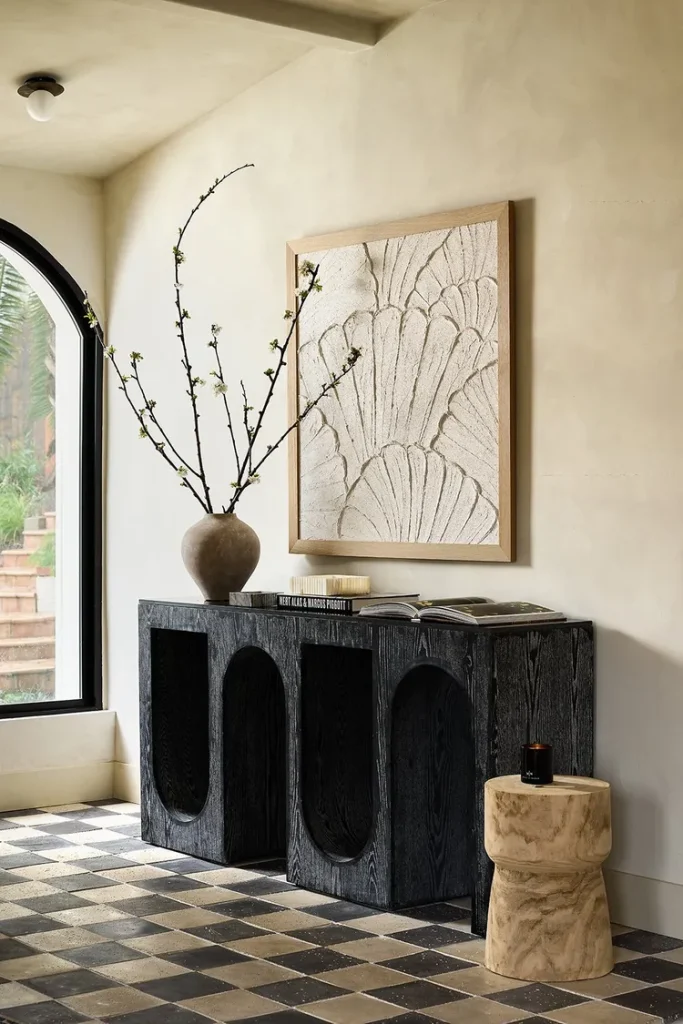
Your entryway should make a strong first impression while staying functional for daily life. It’s the spot to store shoes, coats, mail, and other essentials without sacrificing style.
Interior designer Yvonne Harty of Harty Interiors suggests embracing a “lived-in look” for a welcoming entry. “Welcoming homes aren’t perfect showpieces,” she explains. “They feel lived-in, with furniture arranged to encourage conversation.”
Harty recommends key pieces like a console table topped with a mirror or art, decor, and fresh flowers to combine beauty and practicality. “A welcoming home starts at the front door,” she says. “Entryways are your first chance to wow guests and make them feel at home.”
Read More: 5 Vase Styling Tips to Instantly Elevate Your Room with the Quiet Luxury Trend
A Streamlined Design
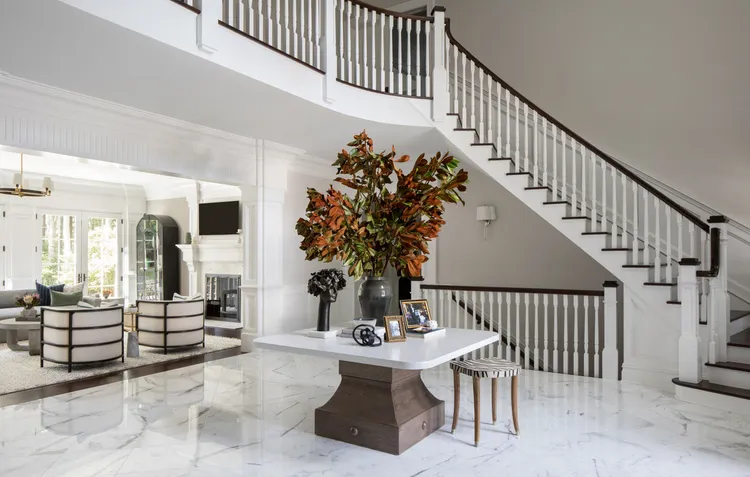
While embracing the casual glamour of everyday living, keep your entryway design streamlined. Morgan Blinn, lead designer at Rumor Designs, recommends choosing cohesive pieces so the space feels curated and unified.
“A well-curated entrance features practical, minimal pieces for a welcoming first impression,” she says.
Luxury isn’t required—focus on furniture and accents that complement each other, creating a defined, inviting space that immediately feels intentional and harmonious.
Bring Warmth with Greenery
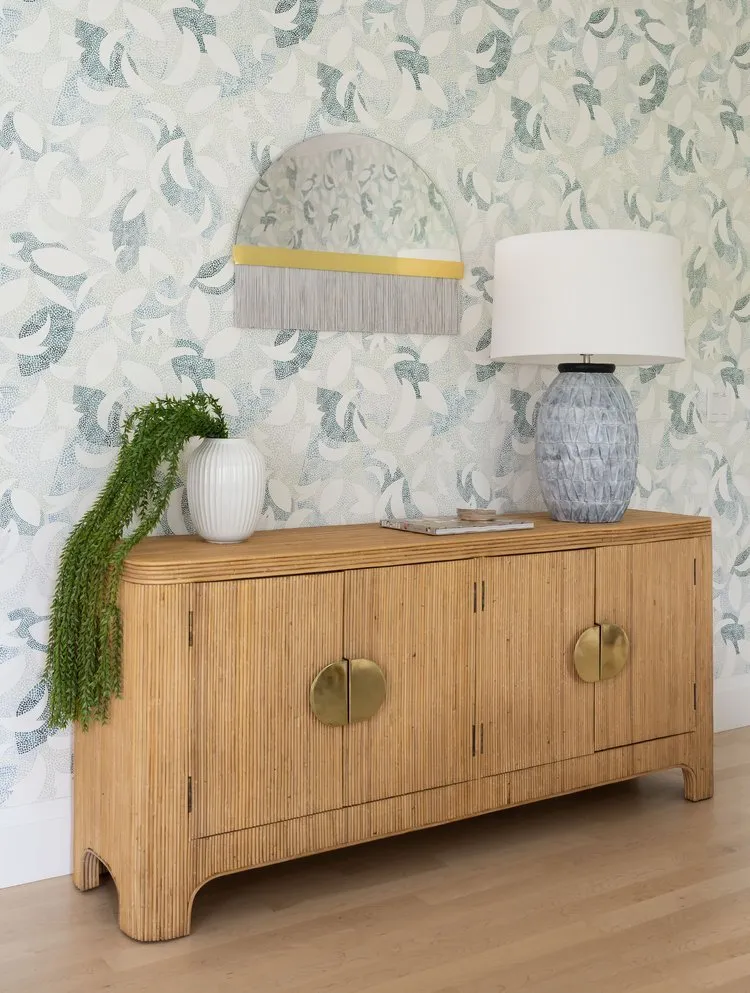
Adding plants is an easy way to make your home feel welcoming and cozy. Place a plant on a console table, shelf, or in a decorative corner planter to instantly elevate the entryway.
“Greenery energizes a space, brightening empty corners and shelves,” says Morgan Blinn. “If you don’t have a green thumb, high-quality faux plants work just as well.”
It’s a simple, natural way to add color and life, creating a fresh and inviting atmosphere for anyone who walks through your door.
Embrace Soft Textures
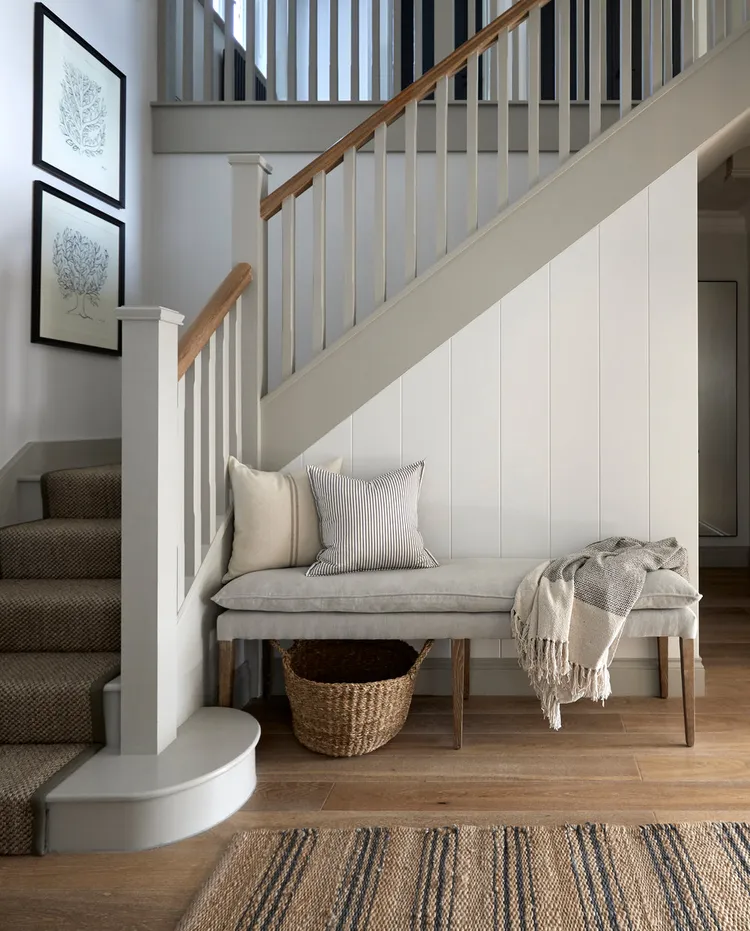
Welcoming homes often feature soft, natural textures that create warmth and comfort. Yvonne Harty explains, “Texture and natural materials instantly add warmth and make a home more inviting. It’s important to balance the room.”
Layer your entryway with elements like linen, leather, or natural wood. Soft rugs, throw blankets, pillows, table linens, and even fresh flowers can make a space feel cozy and approachable.
These tactile touches not only enhance the design but also create an inviting atmosphere that makes guests feel right at home.
Layered, Decorative Lighting
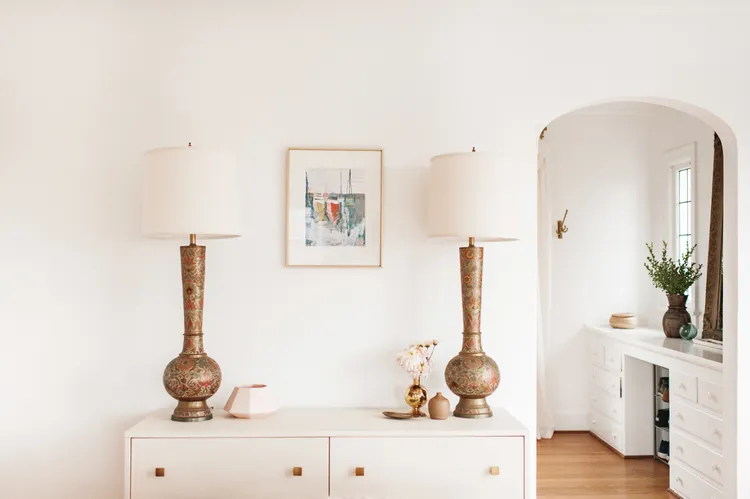
Decorative lighting elevates your entryway’s style while making it functional, and Yvonne Harty calls it one of the most underrated design details.
“Layer ambient, task, and accent lighting using warm bulbs, wall sconces, and lamps throughout the space,” Harty explains. “This creates a cozy, welcoming atmosphere and allows you to adjust lighting for different times of day or moods.”
Thoughtful lighting not only enhances your home’s aesthetic but also instantly makes guests feel comfortable and at home.
Add Personal Touches
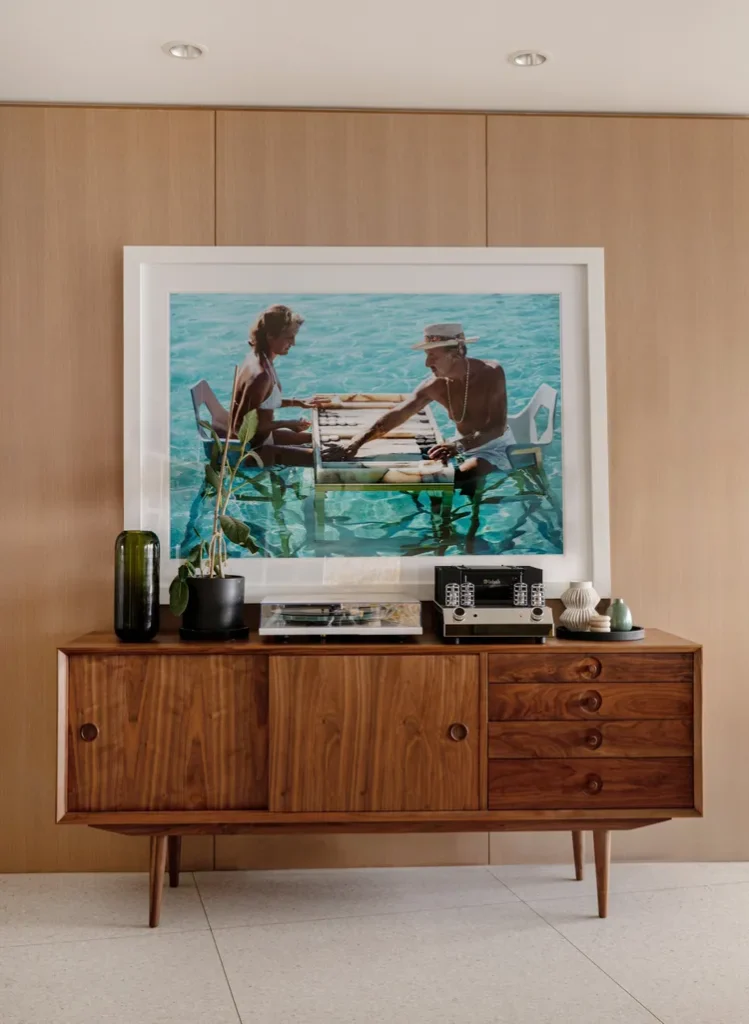
A truly welcoming home reflects your personality from the moment guests step inside. Yvonne Harty suggests incorporating heirloom furniture, artwork, family photos, or travel mementos to create a lived-in, conversation-starting space. Thrift and antique stores are ideal for finding unique pieces that suit your style.
Morgan Blinn emphasizes a “less is more” approach: focus on ambient lighting, personal touches, and creative accents while keeping the space uncluttered. Removing excess decor prevents visual chaos and ensures your entryway feels peaceful, inviting, and authentically yours.
Frequently Asked Questions
What makes an entryway feel welcoming?
A welcoming entryway combines functional furniture, layered lighting, soft textures, greenery, and personal touches that reflect your style.
How can I make a small entryway look inviting?
Use minimal, cohesive furniture, mirrors, and vertical storage to maximize space while keeping it stylish and organized.
What are the best furniture pieces for an entryway?
Console tables, benches, and small storage units work well, especially when paired with decor, art, or plants.
How do I incorporate personal touches without clutter?
Select a few meaningful items, like family photos, artwork, or heirlooms, and combine them with an uncluttered layout.
What lighting works best in an entryway?
Layer ambient, task, and accent lighting with warm bulbs, wall sconces, and table lamps for a cozy, flexible atmosphere.
Can faux plants look good in an entryway?
Yes, high-quality faux plants add greenery and vibrancy without maintenance, creating a welcoming feel.
How do I add texture to an entryway?
Use rugs, pillows, throws, wood accents, and natural materials like linen or leather to create warmth and depth.
Conclusion
Creating a welcoming entryway is all about balancing style, function, and personality. By incorporating cohesive furniture, layered lighting, soft textures, greenery, and personal touches, you can design a space that feels both inviting and reflective of your home. Small details, from a cozy rug to meaningful decor, make a lasting first impression on guests while enhancing everyday life. Remember, less is often more—prioritize intentional pieces that add warmth and charm without cluttering the space.