


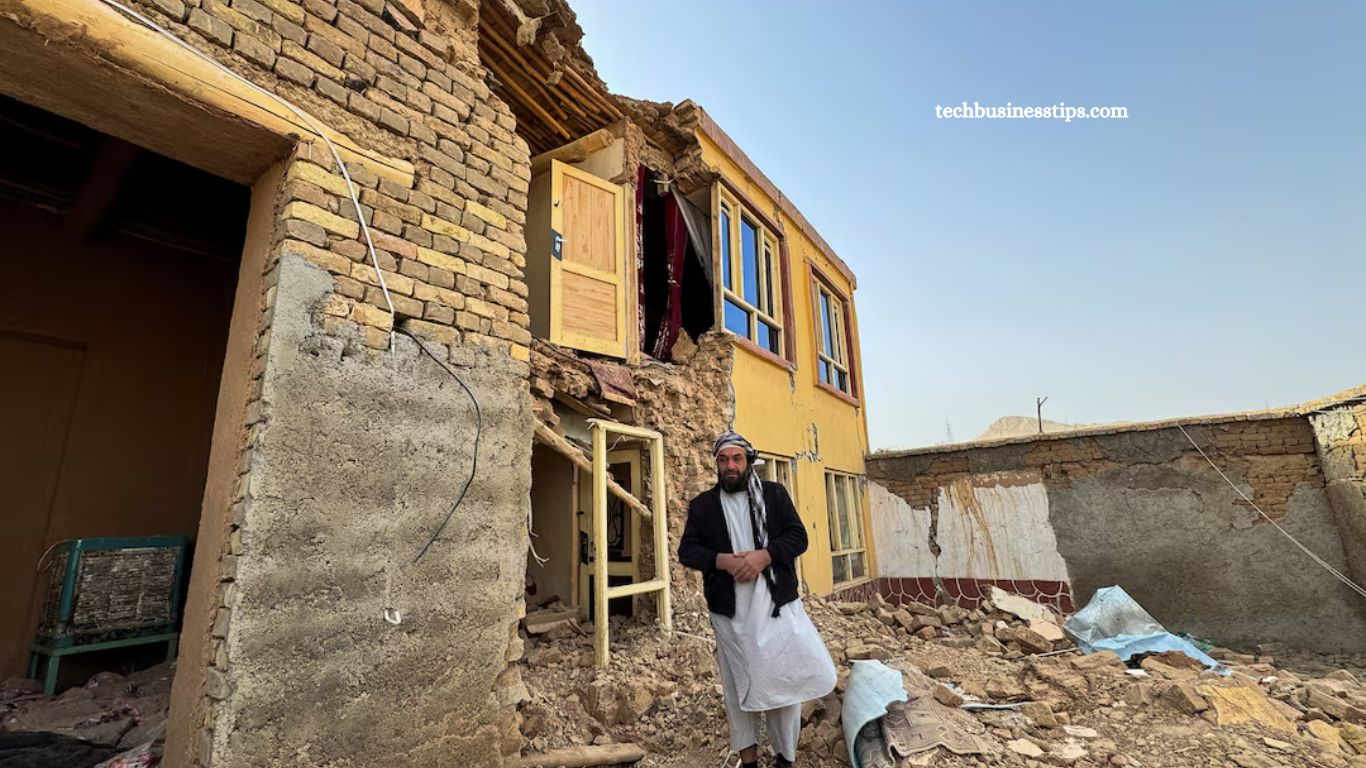
A 6.3-magnitude earthquake struck near Mazar-e Sharif in northern Afghanistan early Monday, killing at least 20 people, injuring hundreds, and damaging the city’s historic Blue Mosque, officials said. Authorities warned the death toll could rise. The U.S. Geological Survey reported the quake occurred 28 km (17.4 miles) underground near the city of 523,000, known for its shrines and historic landmarks.
- Frequently Asked Questions
- What caused the recent earthquake in Afghanistan?
- How many people were affected by the earthquake?
- Which areas were most impacted by the earthquake?
- Was any historic site damaged in the earthquake?
- What relief efforts are underway in Afghanistan?
- How is the earthquake affecting Afghanistan’s infrastructure?
- Is Afghanistan prone to earthquakes?
- Conclusion
Mohammad Rahim, a survivor in nearby Tashqurghan district, described the ground shaking violently for 15 seconds. “When we got outside, dust filled the air, and we couldn’t see anything,” he told Reuters, standing by a collapsed building. Rescue workers and locals eventually freed his mother and brother, who had been trapped in the rubble.
Casualties Climb to Hundreds
At least 20 people have died and 643 were injured, including 25 seriously, according to Afghanistan’s National Disaster Management Authority.
Health Ministry spokesperson Sharfat Zaman said, “Our rescue and medical teams are on site, and all nearby hospitals are on standby to treat the injured.” Footage from the Afghan Ministry of Defence showed military teams digging through rubble and recovering the body of a young girl, though Reuters could not independently verify the images.
The United Nations mission in Afghanistan said it is on the ground assisting rescue efforts, posting on X: “We stand with the affected communities and will provide necessary support.” India also pledged aid as it seeks to reset relations with the Taliban following the 2021 takeover.
Indian Foreign Minister Subrahmanyam Jaishankar announced on X that relief supplies for earthquake-hit communities are being delivered today, with additional medical aid expected to arrive soon.
Read More: Israel Strikes Gaza: 3 Killed, Food Shortages Persist Amid Ceasefire
Blue Mosque Sustains Damage
The earthquake partially damaged the Blue Mosque, one of Afghanistan’s holiest sites and believed to house the tomb of the Prophet Mohammad’s cousin and son-in-law, said Balkh province spokesperson Haji Zaid. The mosque’s current structure dates back to the 15th century. Footage verified by Reuters showed broken masonry and tiles scattered across the courtyard, though the main building remained intact.
The disaster adds to Afghanistan’s challenges, with the Taliban administration already dealing with an August quake that killed thousands, declining foreign aid, and mass deportations of refugees. The quake also disrupted power nationwide, including in Kabul, the national power supplier Da Afghanistan Breshna Company said.
Aid group Save The Children warned that the earthquake worsens the humanitarian crisis ahead of winter. “As temperatures fall, thousands of children in the east face winter in tents,” said Samira Sayed Rahman, the group’s advocacy director. “Now, families in the north also face fear and uncertainty after this quake.”
Afghanistan is highly earthquake-prone, lying on two active fault lines capable of causing severe damage. More than 2,200 people were killed and thousands injured during the August quake and its aftershocks.
Frequently Asked Questions
What caused the recent earthquake in Afghanistan?
The 6.3-magnitude earthquake struck near Mazar-e Sharif due to the region’s active fault lines.
How many people were affected by the earthquake?
At least 20 people were killed, 643 injured, and hundreds more displaced by the quake.
Which areas were most impacted by the earthquake?
Mazar-e Sharif and surrounding districts, including Tashqurghan, experienced the strongest shaking and damage.
Was any historic site damaged in the earthquake?
Yes, part of the Blue Mosque, a 15th-century holy site in Mazar-e Sharif, was damaged.
What relief efforts are underway in Afghanistan?
Afghan rescue teams, the UN, and India are providing medical aid, relief supplies, and rescue operations.
How is the earthquake affecting Afghanistan’s infrastructure?
The quake disrupted power across the country, including Kabul, and caused structural damage to buildings.
Is Afghanistan prone to earthquakes?
Yes, Afghanistan lies on two active fault lines, making it highly vulnerable to strong earthquakes.
Conclusion
The 6.3-magnitude earthquake in northern Afghanistan has left a trail of destruction, with dozens dead, hundreds injured, and historic sites like the Blue Mosque damaged. Rescue operations are underway, supported by local authorities, international organizations, and aid from countries including India. As Afghanistan faces ongoing humanitarian challenges, urgent relief and support are critical to help communities recover and prepare for the harsh winter ahead.