


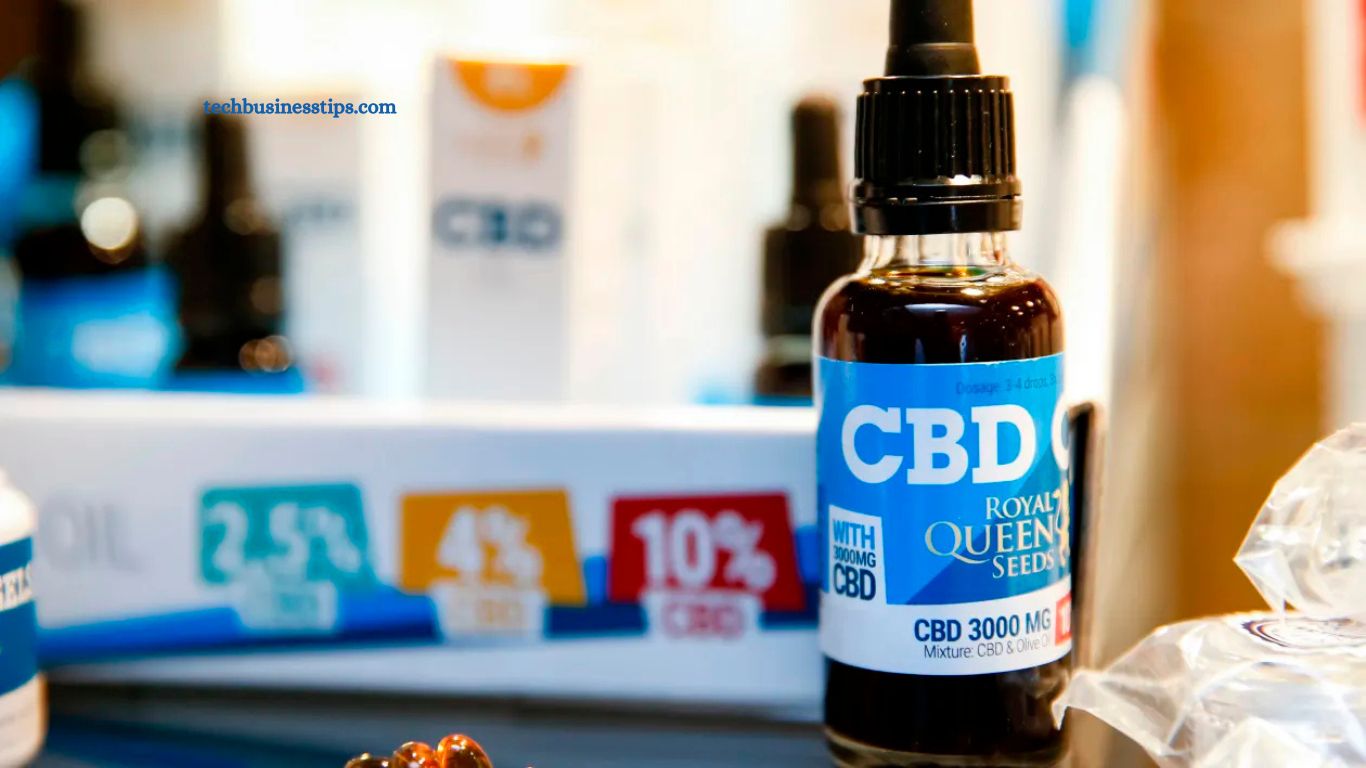
Cannabis Market may be poised for a rally after years of stagnation, driven by investor optimism over potential federal reforms and signs that President Trump could adopt a more permissive stance on marijuana.
- The ‘Trump Effect’ Boosts Cannabis Market
- The Farm Bill and Hemp Regulation
- Marijuana Rescheduling Could Boost Industry
- Republican Roadblocks Challenge Hemp Market
- Frequently Asked Questions
- What is the “Trump effect” in the cannabis market?
- How could marijuana rescheduling impact the industry?
- What changes are being considered for hemp regulation under the Farm Bill?
- Why are some Republicans pushing back on hemp products?
- How have cannabis stocks reacted to recent political developments?
- What are the risks of unregulated hemp and CBD products?
- How could federal regulations affect cannabis investment?
- Conclusion
Publicly traded cannabis companies have experienced volatility. Verano Holdings reported $203 million in revenue Wednesday—slightly up from the prior quarter but down 6% year-over-year—while posting a $44 million net loss due in part to a $5 million facility impairment and $10 million in legal settlements. Next week, U.S. cannabis giants Curaleaf and Trulieve will release their earnings. Despite a roughly 10% sector decline this year, executives like Tilray Brands CEO Irwin Simon remain hopeful. Tilray’s stock jumped 22% in October after surpassing fiscal first-quarter expectations.
Three factors are driving optimism: Trump’s apparent support for Medicare coverage of CBD, his remarks on reclassifying marijuana, and congressional movement toward hemp regulation. Cannabis use is also on the rise, with daily or near-daily marijuana consumption now exceeding daily alcohol use in the U.S., according to a 2024 Carnegie Mellon study.
The U.S. cannabis market grew 40% last year, per the Department of Agriculture, and global cannabis-derived products—including CBD—are projected to reach $160 billion by 2032, according to Grand View Research.
The ‘Trump Effect’ Boosts Cannabis Market
Cannabis market optimism surged in September after Trump shared a video on Truth Social promoting Medicare coverage of CBD and making unverified anti-aging claims. Produced by The Commonwealth Project—founded by Palm Beach billionaire Howard Kessler, a longtime Trump associate—the video directly targeted the president. Kessler, known for pioneering affinity credit cards, shifted to cannabis advocacy in 2019 and has been in Trump’s orbit since at least 2005, attending his wedding and Mar-a-Lago events. Neither Kessler nor the White House commented on the video.
Cannabis stocks reacted sharply: Tilray rose 42%, Aurora Cannabis gained 25%, Canopy Growth jumped 18%, and Cronos Group added 15.5%. “Some in the industry see this as the ‘Trump effect,’ signaling potential Republican support if he leans into CBD,” said Adam Smith, executive director of the Marijuana Policy Project.
However, data on CBD’s effectiveness for inflammation or chronic pain—especially in seniors—is limited. Kevin Sabet of Smart Approaches to Marijuana cautioned that social media posts don’t equate to policy endorsements. To date, the FDA has approved only one CBD drug, Epidiolex, for rare epilepsy, with other uses lacking strong scientific evidence, according to Columbia University’s Meg Haney.
Read More: Accelerating Digital Transformation Through Cloud Services and High-Speed Fiber Connectivity
The Farm Bill and Hemp Regulation
Trump’s post also boosted momentum for regulating hemp—a marijuana variant that doesn’t produce a “high,” according to the CDC—legalized under the 2018 Farm Bill. Congress is considering updates by year-end to establish federal standards for labeling, testing, and safety, filling gaps left by the original law.
“Clear regulations aren’t scary; they create certainty for businesses,” said Pamela Epstein, chief legal officer at Terpene Belt Farms. The 2018 legalization helped grow a $1.6 billion hemp market by 2023. Hemp-derived CBD products with less than 0.3% THC now appear in gummies, beverages, creams, and pet treats, projected to drive 20% growth by 2030, according to Grand View Research.
However, the lack of oversight exposed consumers to mislabeled or unsafe products, Adam Smith of the Marijuana Policy Project said. Congress is debating measures ranging from stricter THC limits to an “alcohol-model” framework, with the FDA managing safety and taxation handled by the Alcohol and Tobacco Tax and Trade Bureau.
Tilray CEO Irwin Simon called clear rules essential for sustainable growth, while experts caution that federal standards could legitimize the market, attract investors, and protect consumers, supporting 320,000 jobs nationwide.

Marijuana Rescheduling Could Boost Industry
Trump’s openness to CBD has sparked speculation he may move to reschedule marijuana. In August, he indicated his administration was “looking at” reclassifying marijuana from a Schedule I drug—alongside heroin and LSD—to Schedule III. While this wouldn’t legalize recreational use, it could ease banking restrictions, IRS tax limitations, and barriers to scientific research.
“To demonstrate medical utility, we need controlled trials, but Schedule I status blocks those studies,” said Meg Haney of Columbia University, highlighting the “chicken and egg” problem in cannabis research. A White House official confirmed the rescheduling process is ongoing, with all legal and policy implications under review.
Investor optimism partly centers on Trump’s chief of staff, Susie Wiles, a longtime associate of Trulieve CEO Kim Rivers. Trulieve, one of the largest U.S. cannabis companies, has a history of political engagement, including donating over $1 million to Trump-related initiatives and supporting a failed recreational legalization ballot in Florida. Following a high-profile fundraiser at Trump’s New Jersey golf club, the president mentioned exploring marijuana rescheduling two days later. Wiles, Rivers, and Trulieve did not comment.
Republican Roadblocks Challenge Hemp Market
Despite investor optimism, some Republican lawmakers are pushing back on hemp-derived products over safety concerns. After the 2018 Farm Bill, licensed hemp acreage surged 445% by 2019, creating a market glut that forced many producers to pivot or close.
“Rapid expansion led to product bloat and weak financial results, leaving investors uncertain,” said Cronos Group CEO Michael Gorenstein. Today, the market has rebounded but remains largely unregulated. FDA research linked unregulated CBD to potential liver damage, and experts warn that some hemp products may contain THC levels comparable to marijuana.
Lawmakers have introduced measures to tighten restrictions. Rep. Andy Harris (R-Md.) proposed redefining hemp to exclude products with “quantifiable” THC, passing a House committee along party lines. Similar language advanced in the Senate Appropriations Committee, with Sen. Mitch McConnell calling for a return to the law’s “original intent.” A Congressional Research Service report noted these proposals could effectively ban most hemp-derived products.
Industry leaders say the sector’s future hinges on federal clarity. “It’s not a question of when, but how regulations will be enforced,” Gorenstein said. Clear rules from the next administration could reshape the market and restore investor confidence.
Frequently Asked Questions
What is the “Trump effect” in the cannabis market?
The “Trump effect” refers to investor optimism in cannabis stocks following President Trump’s positive comments on CBD and potential marijuana rescheduling.
How could marijuana rescheduling impact the industry?
Rescheduling from Schedule I to Schedule III could ease banking restrictions, tax limitations, and barriers to scientific research without legalizing recreational use.
What changes are being considered for hemp regulation under the Farm Bill?
Congress may introduce federal standards for labeling, testing, and safety of hemp-derived products, addressing gaps left by the 2018 Farm Bill.
Why are some Republicans pushing back on hemp products?
Lawmakers cite safety concerns, including unregulated CBD products, chemically altered THC levels, and potential risks to consumers, prompting proposed restrictions.
How have cannabis stocks reacted to recent political developments?
Shares of companies like Tilray, Aurora Cannabis, Canopy Growth, and Cronos Group surged following Trump’s CBD comments and signals of possible federal reform.
What are the risks of unregulated hemp and CBD products?
FDA research links some unregulated CBD to liver damage, mislabeled THC levels, and products marketed to children, highlighting the need for oversight.
How could federal regulations affect cannabis investment?
Clear, consistent rules could legitimize the market, attract institutional investors, and enable sustainable growth across hemp and cannabis sectors.
Conclusion
The cannabis market stands at a pivotal moment, driven by the “Trump effect,” investor optimism, and potential federal reforms. Rescheduling marijuana and implementing clear hemp regulations could unlock growth, attract institutional investment, and enhance consumer safety. Yet challenges remain, with Republican pushback and unregulated products highlighting the need for oversight.