


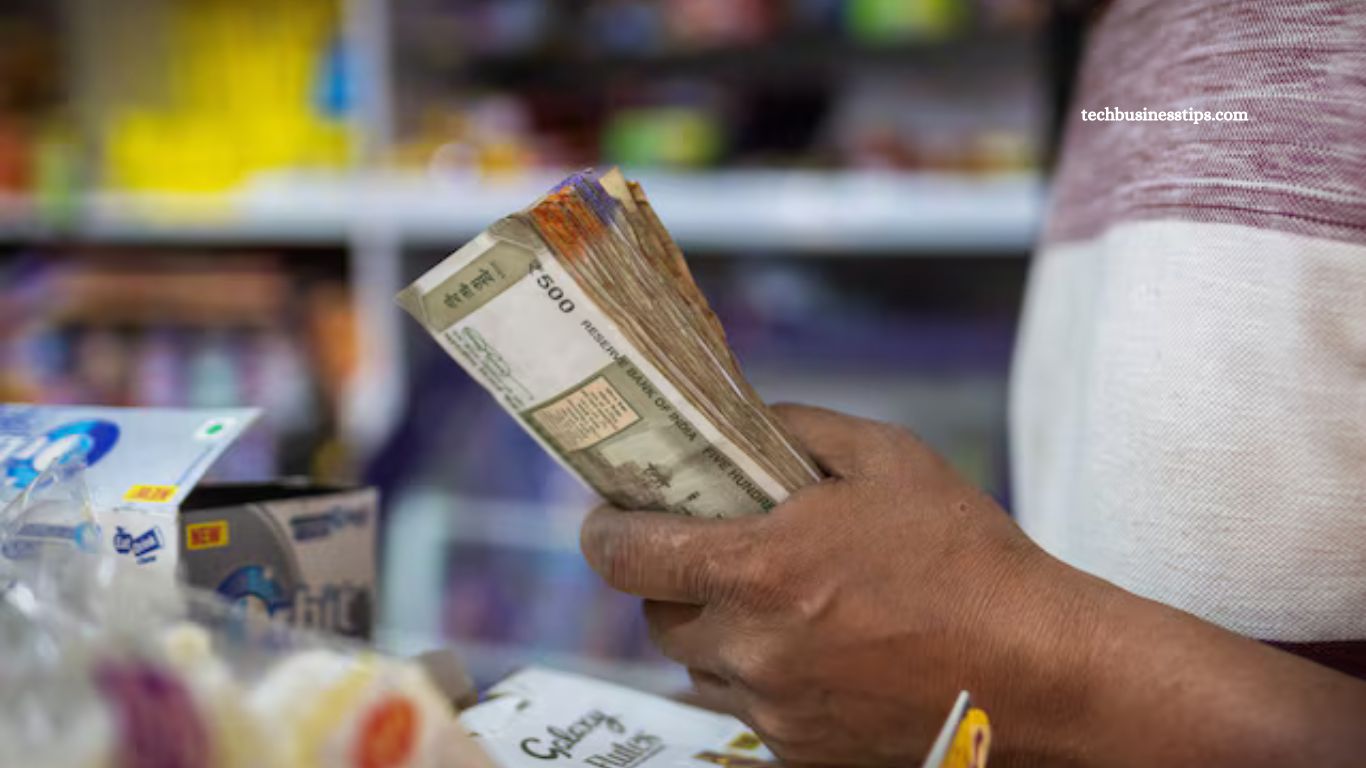
The Indian rupee is approaching record lows against the US dollar, signaling growing pressure on the domestic currency despite active interventions by the Reserve Bank of India (RBI). A combination of global and domestic factors, including rising crude oil prices, a stronger US dollar, persistent inflation, and a widening trade deficit, has contributed to the rupee’s weakness. The central bank has responded with forex market interventions, policy rate adjustments, and liquidity management to stabilize the currency.
- Factors Driving the Rupee’s Weakness
- Rising Global Oil Prices
- Strong US Dollar and Fed Rate Hikes
- Domestic Inflationary Pressures
- Trade Deficit Concerns
- Central Bank Measures to Support the Rupee
- Implications of a Weakening Rupee
- Impact on Imports and Inflation
- Effects on Export Competitiveness
- Pressure on Foreign Debt Servicing
- Future Outlook for the Rupee
- Frequently Asked Questions
- Why is the Indian rupee falling against the US dollar?
- How does RBI intervene to stabilize the rupee?
- What impact does a weaker rupee have on imports?
- Can a weak rupee benefit Indian exporters?
- How do global factors affect the rupee?
- What is the outlook for the rupee in 2025?
- How can businesses protect themselves from rupee fluctuations?
- Conclusion
However, these measures provide only temporary relief amid ongoing external pressures. The depreciation of the rupee affects imports, exports, foreign debt servicing, and overall economic stability, making it a critical issue for policymakers, businesses, and investors to monitor closely in the current financial landscape.
Factors Driving the Rupee’s Weakness
Rising Global Oil Prices
India is heavily reliant on crude oil imports, and any increase in global oil prices directly impacts the rupee. Higher oil import bills widen the current account deficit, weakening the currency against the dollar. In recent months, geopolitical tensions and supply constraints have pushed crude prices higher, putting additional pressure on the rupee.
Read More: Wall Street Futures Rise as M&A Activity Overshadows Earnings
Strong US Dollar and Fed Rate Hikes
The US dollar has strengthened globally due to the Federal Reserve’s aggressive interest rate hikes aimed at controlling inflation. A stronger dollar makes the rupee and other emerging market currencies less attractive, leading to capital outflows and depreciation of the rupee.
Domestic Inflationary Pressures
Persistent inflation in India, especially in food and fuel, erodes consumer purchasing power and raises uncertainty in the economy. Inflation tends to discourage foreign investment, leading to reduced demand for the rupee in global markets.
Trade Deficit Concerns
India’s trade deficit remains elevated due to higher import bills compared to exports. A widening trade deficit increases demand for foreign currency, putting downward pressure on the rupee.
Central Bank Measures to Support the Rupee
The Reserve Bank of India has implemented several strategies to stabilize the rupee, including:
Direct Forex Market Intervention
The RBI actively buys and sells dollars in the foreign exchange market to manage volatility and maintain orderly conditions. These interventions help curb sharp fluctuations in the rupee, though their impact is often temporary when global pressures are strong.
Policy Rate Adjustments
While the RBI has primarily focused on inflation control, adjustments in repo and reverse repo rates can influence the rupee indirectly. Higher interest rates attract foreign capital inflows, supporting the currency in the medium term.
Liquidity Management
The central bank manages liquidity in the banking system to ensure smooth functioning of financial markets. By adjusting money supply and credit availability, the RBI aims to maintain stability in the rupee and broader economy.
Implications of a Weakening Rupee
Impact on Imports and Inflation
A depreciating rupee increases the cost of imported goods, especially crude oil, electronics, and machinery. This can exacerbate domestic inflation, affecting consumers and businesses alike.
Effects on Export Competitiveness
While a weaker rupee makes Indian exports cheaper in global markets, it may not fully offset the higher input costs due to imported raw materials. Exporters with significant foreign currency exposure could face mixed results.
Pressure on Foreign Debt Servicing
Companies and the government with foreign currency-denominated debt will face higher repayment costs, potentially straining corporate balance sheets and public finances.
Future Outlook for the Rupee
Analysts suggest that the rupee may continue to face volatility in the near term. Key factors influencing its trajectory include global oil prices, US interest rate policy, foreign investment flows, and domestic macroeconomic performance. While RBI interventions provide temporary relief, structural challenges such as trade deficits and inflation remain persistent concerns.
Investors and businesses should prepare for potential currency fluctuations by adopting hedging strategies and monitoring global market developments closely. Policymakers, meanwhile, must balance growth objectives with measures to stabilize the rupee, such as promoting exports, controlling inflation, and managing capital flows.
Frequently Asked Questions
Why is the Indian rupee falling against the US dollar?
The rupee is weakening due to rising oil prices, a strong US dollar, inflation, and a widening trade deficit.
How does RBI intervene to stabilize the rupee?
The Reserve Bank of India buys and sells foreign currency in the market, adjusts interest rates, and manages liquidity.
What impact does a weaker rupee have on imports?
A declining rupee makes imports more expensive, increasing costs for fuel, electronics, and other imported goods.
Can a weak rupee benefit Indian exporters?
Yes, a weaker rupee makes Indian exports cheaper in global markets, improving competitiveness, though input costs may offset gains.
How do global factors affect the rupee?
US interest rate hikes, geopolitical tensions, and crude oil price fluctuations directly influence the rupee’s value.
What is the outlook for the rupee in 2025?
Volatility is expected to continue, influenced by global economic trends, domestic inflation, and RBI policy measures.
How can businesses protect themselves from rupee fluctuations?
Companies can use hedging strategies, diversify revenue streams, and closely monitor currency and global market trends.
Conclusion
The Indian rupee’s slide toward record lows highlights the combined impact of global and domestic pressures, from rising oil prices to a strong US dollar and persistent inflation. While the Reserve Bank of India’s interventions provide short-term relief, structural challenges such as trade deficits and external debt continue to weigh on the currency. Monitoring global trends, adopting effective policy measures, and preparing for volatility remain essential for businesses, investors, and policymakers. Stabilizing the rupee will be crucial for sustaining economic growth, controlling inflation, and ensuring financial stability in India.